Reviving Tired Vegetable Beds for a Strong Autumn Transition
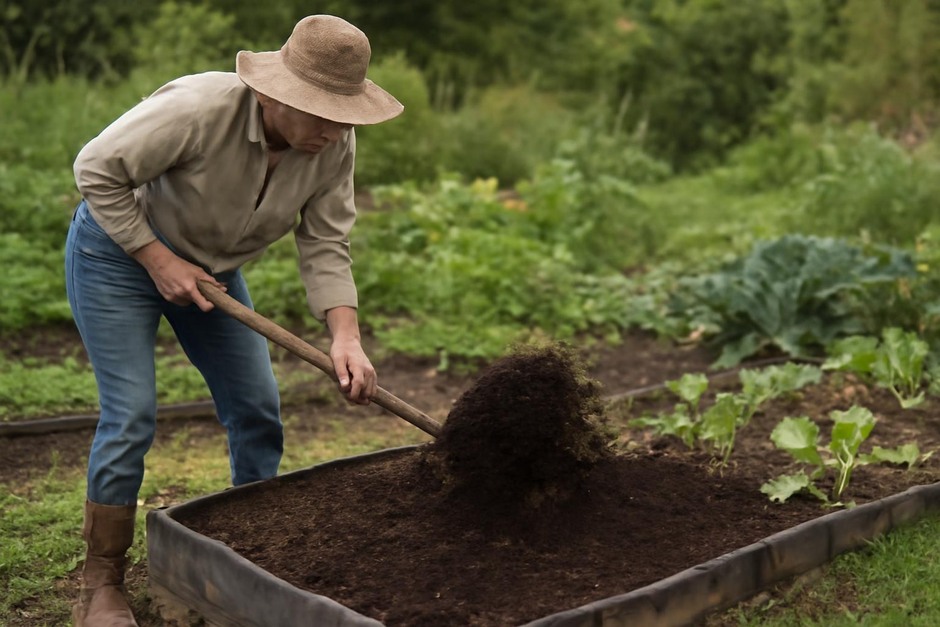
Problem: Tired Beds at the End of Summer
By late summer many vegetable beds show the same signs: yellowing leaves, depleted soil, compacted patches, and a thinning yield. Heat, repeated crops, and irregular watering leave beds exhausted just when there’s still time to capture a valuable autumn harvest. Leaving these beds unmanaged through the transition to cooler weather risks poor yields next season and invites weeds and pests to take hold.
Principles for a Successful Revival
Four simple principles guide an effective late-summer refresh: nourish, protect, plan, and conserve. These are small adjustments that work well in backyard plots, raised beds, and balcony boxes.
Nourish: Feed the soil, not just the plants
Late-summer feeding should favour slow-release organic inputs. A light application of well-rotted compost or a thin layer of leaf mould restores microbial life and improves structure without overstimulating growth at the wrong time. Avoid heavy nitrogen applications that encourage lush foliage when you want maturity and root development.
Protect: Reduce stress and pest pressure
Shade during heat spikes, consistent shallow watering, and a fresh layer of mulch reduce stress on plants and roots. Removing obvious diseased foliage and turning over crop debris reduces overwintering pests and disease reservoirs.
Plan: Think succession and cover
Late summer is the moment to plan quick-maturing successors (radishes, salad greens) and to sow cover crops in beds that will be empty. A short-term crop keeps soil active and a cover crop feeds and protects soil for the coming months.
Conserve: Use time and resources wisely
Focus effort where it will pay off: beds with good sun exposure, easy water access, or a history of reliable yields. Small interventions—a thin compost topdressing, a simple shade cloth, a couple of new seedlings—often restore productivity faster than large renovations.
Practical Examples
Here are three common situations and how to apply the principles to each.
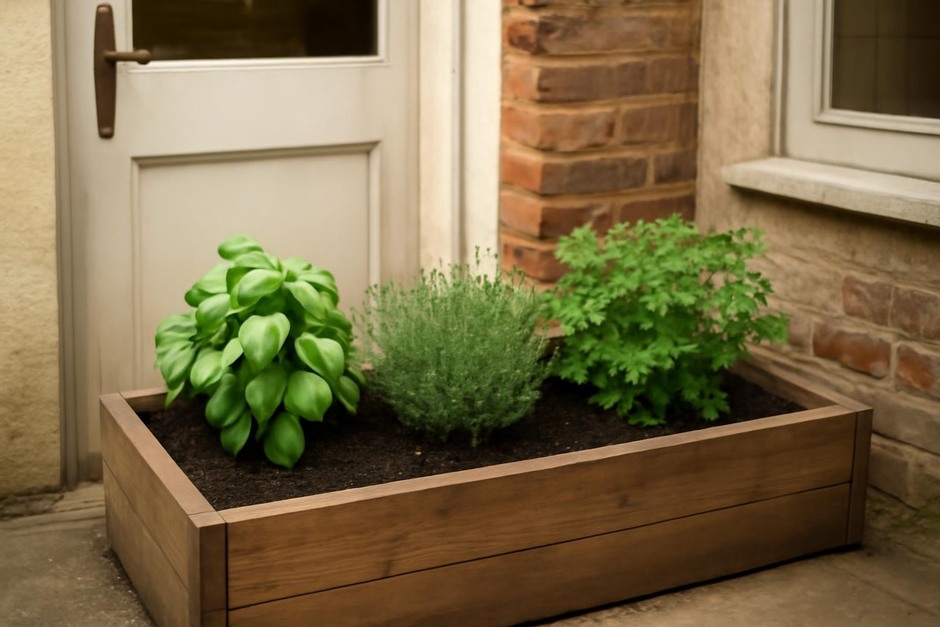
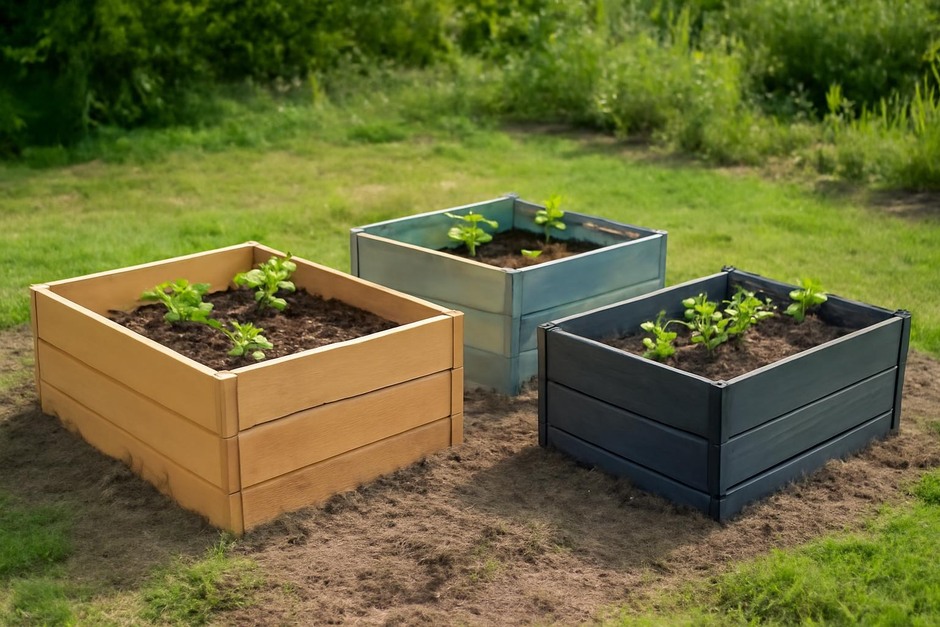
1. Small raised bed in a suburban garden
- Problem: Soil feels dry, tomatoes are spent, and the bed is half-empty.
- Action: Remove spent tomato plants and lightly fork the top 5 cm of soil. Add a 2–3 cm layer of compost and rake in. Sow a fast salad mix between the existing plants and cover bare soil with straw mulch to retain moisture.
- Why it works: Compost recharges microbes, salad crops give a quick harvest, and mulch reduces irrigation frequency.
2. In-ground plot with repeated crops
- Problem: Signs of nutrient depletion and compacted soil where beans and brassicas were grown.
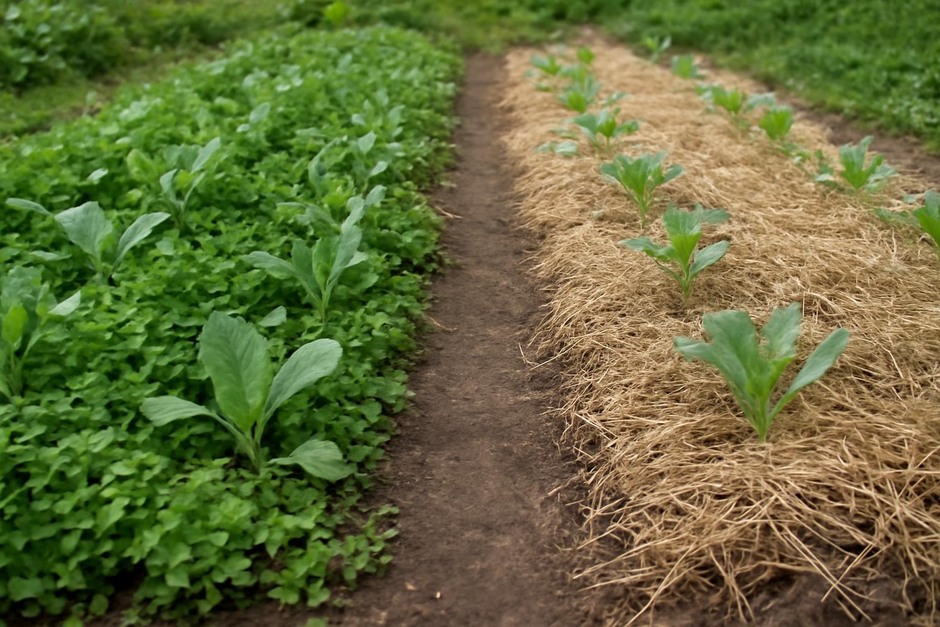
- Action: Broadfork or gently double-dig the bed to relieve compaction. Work in a bucket or two of compost and sow a legume cover crop (e.g., clover or vetch) if you won’t plant a late vegetable crop. If you will plant, add compost and a balanced organic granular fertilizer according to the product guidance.
- Why it works: Physical loosening improves drainage and roots penetrate more easily; legume cover crops add nitrogen and structure when tilled in the following spring.
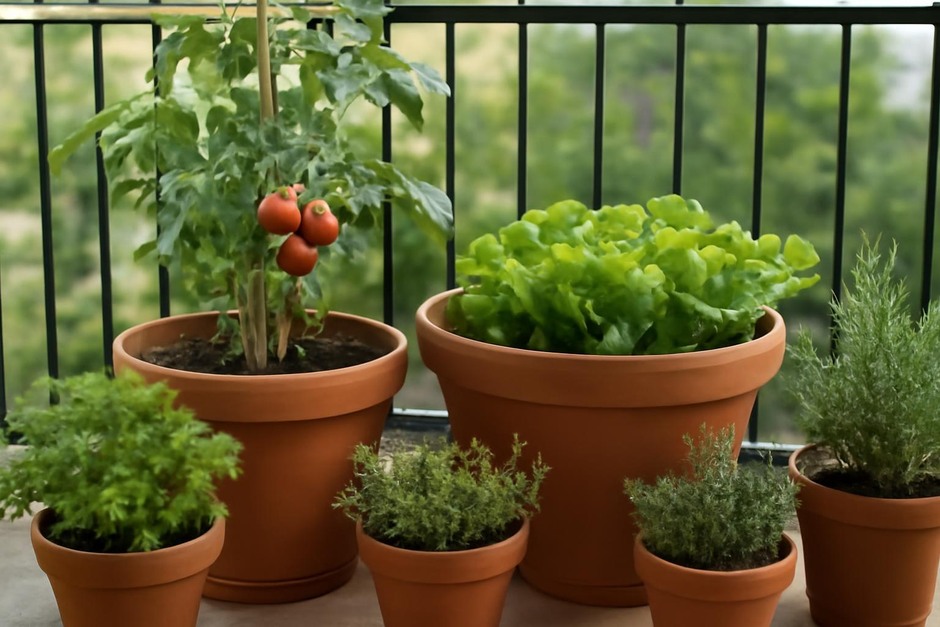
3. Balcony or container garden
- Problem: Pots dry out quickly, and potting mix looks depleted.
- Action: Refresh potting mix by removing the top 3–5 cm and replacing with a mix of compost and light potting soil. Clip back leggy plants and replace one or two containers with quick-turnover greens or herbs. Group containers for easier watering and shade them during midday heat.
- Why it works: Renewed medium improves water retention and nutrition; grouping reduces water stress and simplifies care.
Concise Practice Checklist
- Clear spent plants and compost healthy debris; discard diseased material.
- Lightly fork topsoil and apply a 2–3 cm compost topdressing.
- Mulch bare patches with straw, leaf mould, or coarse compost.
- Sow fast-maturing succession crops or a cover crop depending on timing.
- Trim leggy plants and remove heavy fruit loads to reduce stress.
- Group containers and adjust watering schedule for cooler nights and warm days.
- Note bed history and plan next season’s rotation to avoid repeating the same family of crops.
By following these principles and simple steps, a tired bed can regain life quickly and offer useful harvests through autumn, while setting a better foundation for the next growing season.